
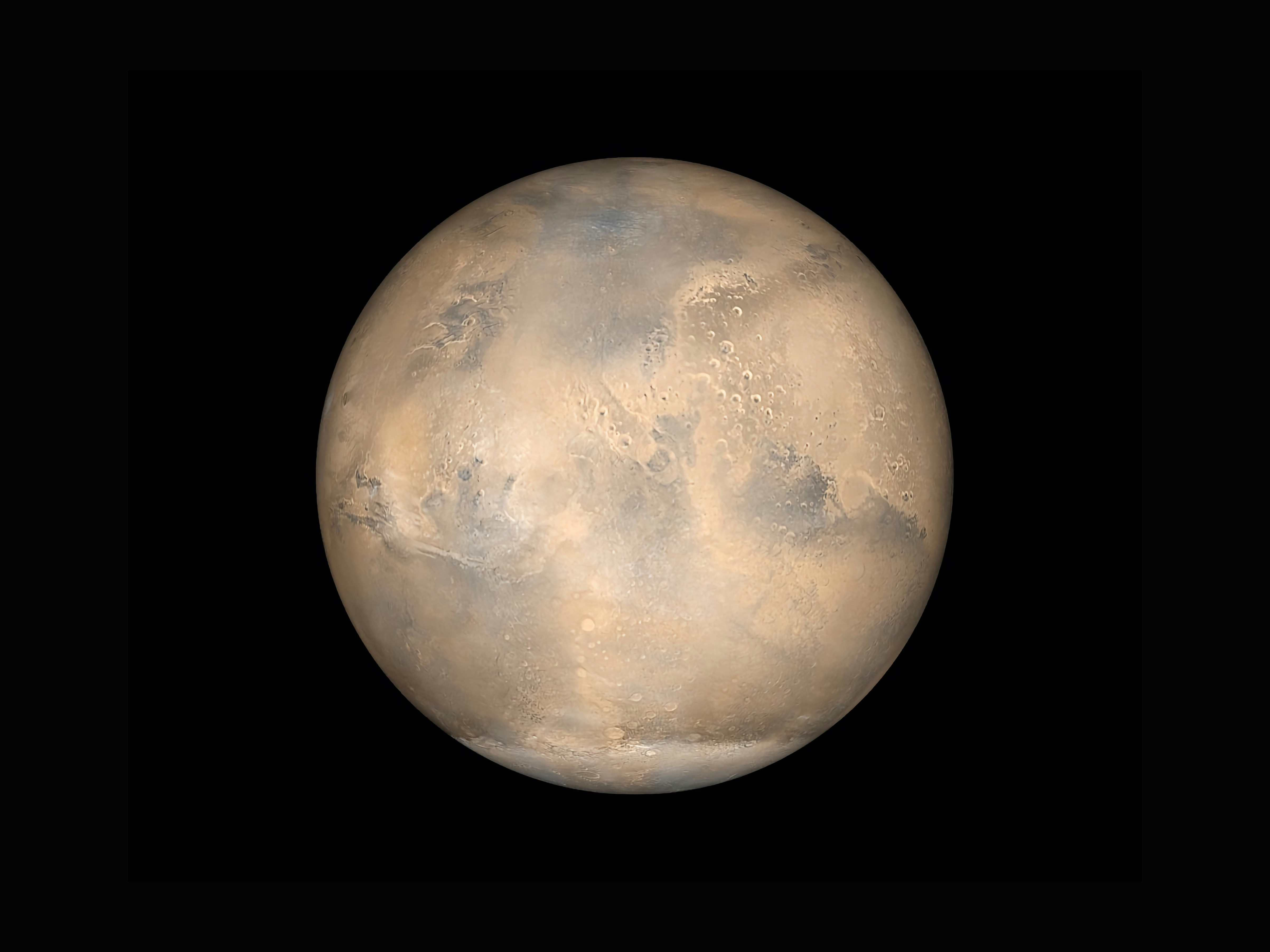
🔴 Mars Commute Calculator
Calculate travel time to Mars using different propulsion technologies and launch windows
🚀 How Long Does It Take to Reach Mars?
The journey to Mars varies dramatically based on orbital alignment, propulsion technology, and trajectory. Using current chemical propulsion, the trip takes approximately 6-9 months when Earth and Mars are optimally positioned. However, advanced technologies could potentially reduce this to mere weeks or days in the future.
Our Mars Commute Calculator uses real NASA mission data and Hohmann transfer orbit calculations to determine travel times. The distance between Earth and Mars varies from 54.6 million km (closest approach) to 401 million km (farthest), dramatically affecting journey duration.
Future technologies like nuclear thermal propulsion could cut travel time to 3-4 months, while theoretical fusion drives might achieve the journey in weeks. Understanding these timelines is crucial for planning Mars colonization efforts.
⚡ Travel Times
- 🚀 Chemical: 6-9 months
- ⚛️ Nuclear Thermal: 3-4 months
- 🔥 Nuclear Electric: 1-2 years
- 💫 Fusion (theoretical): 2-4 weeks
- 📏 Distance range: 54-401M km
🌟 Calculate Your Mars Journey
🚀 Mars Commute Calculator
Plan your journey to the Red Planet! Calculate realistic travel times using different spacecraft technologies.
🎯 Calculate Your Mars Journey
📚 How to Use the Mars Commute Calculator
1️⃣ Choose Launch Date
Select your desired departure date. The calculator automatically determines optimal launch windows based on Earth-Mars orbital alignment for minimum energy trajectories.
2️⃣ Select Propulsion
Choose from chemical rockets, nuclear thermal, nuclear electric, or theoretical fusion drives. Each technology offers different speed-efficiency tradeoffs.
3️⃣ View Results
See travel duration, distance covered, fuel requirements, and arrival date. Compare with historical missions like Perseverance and Curiosity.
🎯 Why Calculate Mars Travel Time?
📖 Mission Planning
Understand launch windows and orbital mechanics. Compare with interstellar distances for perspective.
🎓 Technology Comparison
Learn about propulsion advances. Explore fuel requirements and fusion energy potential.
👥 Colonization Planning
Estimate terraforming costs and colony logistics. Plan sustainable Mars settlements.
✨ Future Vision
See yourself on Mars! Check your Martian age and view Earth from Mars.
🚀 Propulsion Technologies Explained
🚀 Chemical Propulsion
Current Standard: Used by all Mars missions to date. Perseverance took 7 months using this method.
Limitations: Requires massive fuel. Limited by rocket equation tyranny.
⚛️ Nuclear Thermal
Near Future: NASA’s NTP program aims for 3-4 month trips by 2030s.
Benefits: Double efficiency of chemical rockets. Reduces crew radiation exposure.
❓ Frequently Asked Questions
How long does it take to get to Mars?
With current chemical propulsion, Mars missions take 6-9 months depending on the launch window and trajectory. NASA’s Perseverance rover took 7 months. Future nuclear thermal propulsion could reduce this to 3-4 months, while theoretical fusion drives might achieve the journey in 2-4 weeks.
When is the best time to launch to Mars?
Launch windows occur every 26 months when Earth and Mars align favorably for minimum energy transfer. The next optimal windows are in 2026, 2028, and 2030. These Hohmann transfer opportunities minimize fuel requirements and travel time.
What is the distance from Earth to Mars?
The distance varies from 54.6 million km (closest approach) to 401 million km (farthest). On average, Mars orbits about 225 million km from Earth. This variability is why launch windows are critical – missions target periods when Mars is closest. Learn more from NASA’s Mars data.
Could we reach Mars faster?
Yes! Advanced propulsion could drastically reduce travel time. Nuclear thermal propulsion (3-4 months), fusion drives (weeks), or even laser propulsion could make Mars much more accessible for human exploration and colonization.
🔗 Related Mars & Space Travel Tools
🪐 Age on Mars Calculator
Calculate how old you’d be on Mars with its 687-day year.
🌱 Terraforming Cost Estimator
Estimate the cost and timeline to make Mars habitable.
⛽ Spacecraft Fuel Calculator
Calculate fuel requirements for interplanetary missions.
🚀 Orbital Speed Calculator
Calculate velocities needed for Mars orbit insertion.
🌍 Earth from Mars View
See what Earth looks like from the Red Planet’s surface.
👥 Colony Population Estimator
Plan sustainable Mars settlements and growth projections.
🔍 Explore All Tools: SpaceTimeMesh Home | Mars Exploration Blog
📚 Scientific References & Data Sources
- NASA Mars Exploration Program – Official mission data and travel times
- JPL: How Long to Mars? – Orbital mechanics and transfer windows
- Mars By the Numbers – Distance and orbital data
- NASA Nuclear Propulsion – Future propulsion technologies
- Zubrin, R. (2011) – “The Case for Mars” – Mars Direct mission architecture
- NASA (2024) – “Journey to Mars: Pioneering Next Steps in Space Exploration”
All calculations based on verified NASA mission data and Hohmann transfer orbital mechanics. Last updated: January 2025