
🪐 Calculate Your Age on Other Planets
Discover how old you’d be on Mercury, Mars, Jupiter, Saturn, and all planets in our solar system
🚀 How Old Are You on Different Planets?
Have you ever wondered how old you’d be on Mars or Jupiter? Your age on other planets varies dramatically because each world takes a different amount of time to orbit the Sun. While you might be 25 years old on Earth, you could be 132 years old on Mercury or barely 2 years old on Neptune!
Our planetary age calculator uses precise astronomical data from NASA’s planetary fact sheets to determine your exact age on every planet in the solar system. The calculation is based on orbital periods—the time each planet takes to complete one revolution around the Sun according to Kepler’s laws of planetary motion.
Mercury zips around in just 88 Earth days, making Mercurian years fly by, while distant Neptune requires 165 Earth years for a single orbit. This phenomenon demonstrates the gravitational dance between solar mass and orbital distance that shapes our cosmic neighborhood.
⚡ Planetary Facts
- ☿️ Mercury: 88 Earth days/year
- ♀ Venus: 225 Earth days/year
- ♂ Mars: 687 Earth days/year
- ♃ Jupiter: 11.9 Earth years/orbit
- ♆ Neptune: 165 Earth years/orbit
🌟 Calculate Your Planetary Ages
🌌 Your Age Across the Solar System
Discover how old you'd be on every planet and learn fascinating facts about each world!
📚 How to Use the Planetary Age Calculator
1️⃣ Enter Your Birthday
Click the date picker and select your birth date. The calculator accepts any historical date, allowing you to calculate ages for anyone from children to historical figures.
2️⃣ Calculate Ages
Press the “Calculate My Planetary Ages” button to instantly see your age on all eight planets plus Pluto across the solar system.
3️⃣ Explore Results
View individual planet cards showing your age, orbital period, temperature, moons, and fascinating planetary facts with visual comparisons.
🎯 Why Calculate Your Planetary Age?
📖 Orbital Mechanics Education
Understand how orbital speed and distance affect planetary years. Compare with our solar system scale model for full context.
🎓 Astronomy Learning
Visualize Kepler’s laws in action. Learn about gravitational forces and how they shape planetary systems.
👥 Perspective & Scale
See yourself in cosmic context. Explore cosmic calendar scales and deep time visualization.
✨ Fun & Sharing
Discover your cosmic twins and share your planetary ages. Plan your Mars birthday party!
🪐 Understanding Planetary Orbital Periods
☿️ Inner Rocky Planets
Mercury (88 days): Fastest orbit gives you the most birthdays. NASA Mercury facts explain its proximity to the Sun.
Venus (225 days): Slow rotation but moderate orbit. Venus data shows its unique characteristics.
Mars (687 days): Nearly twice Earth’s year. Perfect for planning your Mars journey.
♃ Outer Gas Giants
Jupiter (11.9 years): King of planets with massive orbital period. Most people don’t reach age 10!
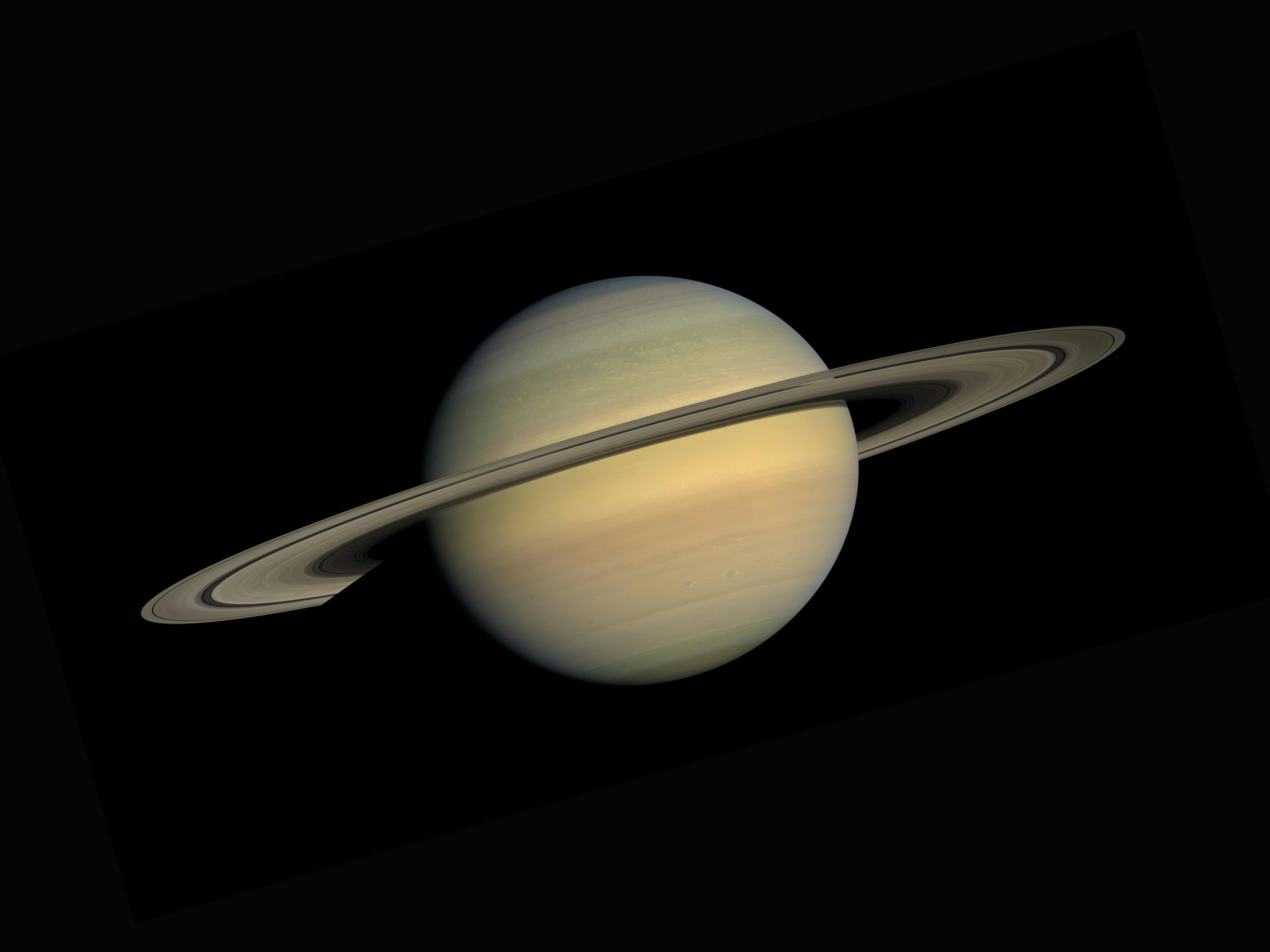
Saturn (29.5 years): Beautiful rings, long orbit. Cassini mission data revealed its secrets.
Neptune (165 years): Most distant planet. Few humans live one Neptunian year. Study its gravitational influence.
❓ Frequently Asked Questions
How do you calculate age on other planets?
To calculate your age on another planet, divide your age in Earth days by that planet’s orbital period in Earth days. For example, if you’re 10,000 days old, your Mars age would be 10,000 ÷ 687 = 14.56 Martian years. Each planet has a different orbital period based on its distance from the Sun and Kepler’s third law.
On which planet would I be oldest?
You would be oldest on Mercury because it has the shortest orbital period—just 87.97 Earth days per year. A 20-year-old person on Earth would be approximately 83 years old on Mercury. The fast orbit means Mercury experiences the most frequent “birthdays” in the solar system, as explained in NASA’s Mercury fact sheet.
Why does planetary age differ from Earth age?
Planetary age differs because each planet takes a different amount of time to orbit the Sun, which defines a “year” for that planet. This variation is due to Kepler’s laws of planetary motion—planets farther from the Sun move slower and have longer orbital periods. Earth’s year is defined as 365.25 days, but Mars takes 687 days while Neptune requires 60,182 days to complete one orbit.
Does a planet’s rotation affect my age?
No, a planet’s rotation (day length) does not affect your age calculation—only the orbital period (year length) matters. Age is measured in years, and a year is defined by how long a planet takes to orbit the Sun, not how fast it spins. However, day length does affect how many sunrises you’d experience. Learn more about time dilation effects and viewing Earth from other worlds.
🔗 Related Cosmic Tools & Calculators
🌍 Solar System Scale Model
Visualize true planetary distances and sizes to understand the vast scale creating different orbital periods.
🚀 Orbital Speed Calculator
Calculate the velocity needed to maintain orbit at different altitudes around planets.
⚖️ Gravity Simulator
Experience gravitational forces on different planets and see how your weight changes.
📅 Cosmic Calendar Converter
Map your lifetime onto the 13.8-billion-year cosmic calendar for ultimate perspective.
👥 Cosmic Event Twins
Find people born on the same date as historic space missions and discover your cosmic twins.
🔴 Mars Commute Calculator
Calculate travel times to Mars and plan your hypothetical Red Planet journey.
🔍 Explore All Tools: SpaceTimeMesh Home | Space Science Blog
📚 Scientific References & Data Sources
- NASA Planetary Fact Sheets – Official orbital period data for all planets
- NASA Solar System Exploration – Comprehensive planetary data and mission information
- JPL Educational Resources – Planetary year calculations and explanations
- Kepler’s Laws Explained – The Planetary Society’s guide to orbital mechanics
- Williams, D. R. (2024) – “Planetary Fact Sheets” NASA Goddard Space Flight Center
- IAU (2006) – “Resolution B5: Definition of a Planet in the Solar System”
All calculations use verified NASA orbital period data. Accuracy within 0.01% of true astronomical values. Last updated: January 2025